From Hvar town to the Pakleni Islands or to the Medvidina Bay – during the warm months, when the sea is calm and the Adriatic shows its best side.

Season:

The sailing season runs from late April to early October, with the best conditions in May, June and September – warm weather, fewer crowds, and gentle winds. July and August are also beautiful, but busier and sometimes very hot.

Meeting point:

We meet at the harbour in Hvar town. The exact spot will be confirmed when you book.

Where we go:

For daily trip we choose Pakleni Islands – a small archipelago just in front of Hvar, with crystal‑clear water, quiet bays and great spots for swimming and snorkeling. The route depends on the wind and weather on the day. I choose the direction that gives us the best sailing and the most peaceful anchorage. If conditions allow, we can also sail towards Medvidina cove or other parts of the coast – always with safety and comfort in mind.


More About
When & Where We Sail

From Sea to Table: Fresh Adriatic Seafood with a “Catch and Eat” Philosophy:

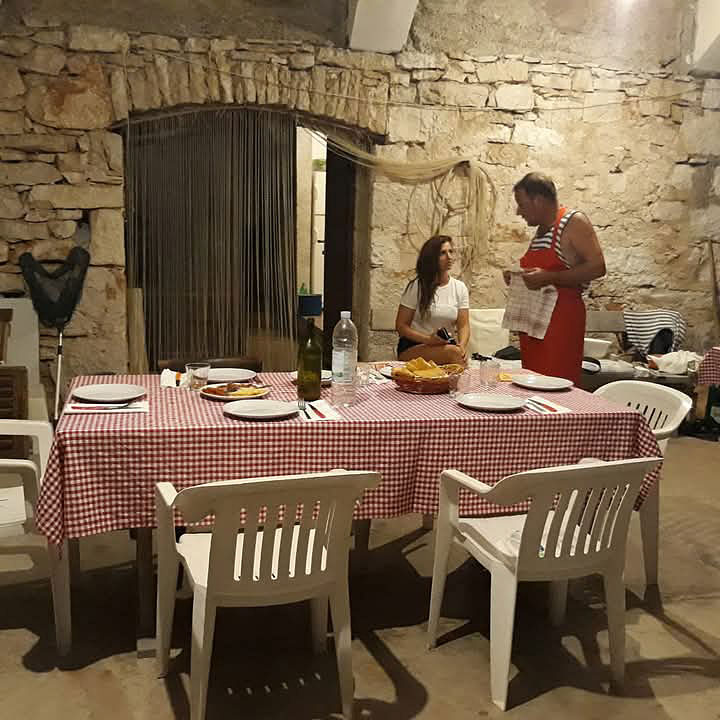
For many guests, the most memorable part of a sailing day is not only the landscape, but the meal they share after returning from the sea. Eating fresh, simply prepared seafood is one of the great traditions of the Mediterranean coast. At Studio Rako, food is not an extra service – it is part of the experience, shaped by a professional cook who brings the day’s catch directly to your plate.

My philosophy is simple: catch and eat. I catch fish while spearfishing, collect sea shells while scuba diving, and then prepare them using local ingredients like Istrian olive oil, potatoes, and seasonal vegetables. This “sea‑to‑table” approach means you enjoy seafood at its absolute freshest, with flavours that tell the story of the Adriatic itself.

 Catch and Eat: What It Really Means:

“Catch and eat” is more than a slogan; it is a way of thinking about food, nature, and respect for the sea.

 I only take what we can eat the same day, focusing on a small, carefully selected catch.

 Spearfishing allows for very precise, selective fishing – there is almost no by‑catch and no damage to the seafloor.

 Sea shells are collected by hand while scuba diving, always respecting local rules and seasonal limits.

 Because the seafood comes straight from the water to the kitchen, there is no need for complicated recipes. Fresh fish, a little sea salt, good olive oil, and a few garden vegetables are enough to create a perfect meal. This is the essence of traditional Adriatic cooking: minimal ingredients, maximum flavour.

 A Professional Cook at the Helm:

As a professional cook, I combine years of kitchen experience with a deep love for the sea. On board and in the kitchen, I work with the same principles:

Respect for the ingredient: The fish or shellfish is the star of the plate, not hidden under heavy sauces.

Simplicity and balance: I use classic Mediterranean techniques – grilling, pan‑searing, gentle stewing – to let the natural flavour shine.

Seasonality: The sea and local markets decide the menu; I cook what is in season and available that day.

Guests do not just “order a dish”; they share a meal that began in the water only hours before. This connection, from sea to table, is something industrial tourism cannot offer.

Local Ingredients: Olive Oil, Potatoes and Vegetables:

Every plate that leaves the kitchen combines fresh seafood with local produce from the region.

Olive oil: High‑quality extra virgin olive oil is at the heart of Mediterranean cuisine and gives fish, salads, and vegetables their characteristic aroma.

Potatoes and seasonal vegetables: Simple sides such as boiled potatoes with parsley, grilled zucchini, chard, tomatoes, or seasonal greens complete the meal without overpowering the fish.

Local wines (optional pairing suggestion on your site): Traditional white wines from the region pair perfectly with grilled or baked fish, following the old coastal saying that “fish swim three times – in the sea, in olive oil, and in wine.”

By choosing local ingredients, we support nearby farmers, olive growers, and winemakers, and keep the flavours honest and authentic.

Traditional Mediterranean Recipes, Simple and Honest:

The cooking style at Studio Rako follows the spirit of classic Mediterranean and Adriatic recipes.

Grilled whole fish: Clean, seasoned with sea salt, brushed with olive oil, and grilled until the skin is crisp and the meat tender, served with potatoes and seasonal vegetables.

 “Brodetto”‑style stews: A rich but simple fish stew made with onion, garlic, tomato, olive oil, and local vinegar, served with polenta or bread to soak up the sauce.

 Shellfish dishes: Mussels, clams, and other shellfish cooked with white wine, garlic, parsley, and olive oil – light, aromatic, and perfect after a day on the sea.

 The idea is not to impress with complexity, but to create honest food that tastes like the place where you are – the Adriatic.

 Responsible, Sustainable Seafood Choices:

“Catch and eat” is closely connected to sustainable seafood.

 Selective spearfishing and hand‑collecting help avoid overfishing and reduce impact on marine habitats.

 Using different species, including less famous but abundant local fish, spreads the pressure away from a few over‑popular species.

 Respecting local regulations, sizes, and seasons supports the long‑term health of fish populations.

 For guests, this means they can enjoy seafood with a clear conscience, knowing it was harvested thoughtfully and prepared with care.

 A Shared Experience Around the Table:

Food on a trip with Studio Rako is a shared experience, not just a service. Guests can often see the catch, ask questions about the fish and shells, and watch some of the preparation process. Many enjoy learning simple tips they can take home: how to clean a fish, how long to grill it, how to season with olive oil and lemon, or how to choose quality seafood.

 In the end, what stays in memory is the feeling: a day on the water, the smell of the grill, a plate of fresh fish, good local wine, and conversation as the sun goes down. This is what “catch and eat” means at Studio Rako – a direct, honest connection between the sea, the cook, and your plate.

More About
Catch & Eat

Sailing With a Skipper Who Sees the Sea Through a Camera

When you step on board with me, you are not only sailing with a local skipper – you are also sailing with a professional photographer who has spent more than twenty years looking for perfect light, honest moments and real emotion. During your day at sea, I quietly document the small things you will remember later: the first jump into clear water, the colour of the sunset on the sails, the smile when you taste salt on your lips.

For many guests, these photos become their favourite memory from Croatia – a personal story, not just another selfie with a crowded beach behind.

From Studio to Sailboat

Before I started offering small, private sailing experiences around Hvar, photography was my full‑time profession. For two decades I worked as a professional photographer, shooting everything from people and travel to life by the sea – always searching for natural light and authentic expression, never plastic postcard images.

Today, that same eye for detail lives on my sailboat. Instead of a studio, I use the deck, the waves and the changing sky. Instead of artificial light, I work only with the sun, reflections on the water and the deep blue below the surface. The result is a relaxed, documentary style that shows how your day really felt, not how it should look for social media.

What Kind of Photos You Can Expect

On our sailing day I keep the camera close, but the atmosphere stays informal and easy. There is no pressure to pose or perform. I usually photograph:

Life on board: hoisting sails, steering, quiet moments with a coffee, reading a book in the shade.

Swimming and snorkeling: underwater portraits, playful shots in crystal water, details of movement and bubbles.

The landscapes: lonely bays, the coastline of Hvar, the shapes of the sails against the sky, reflections of the boat on the sea.

Honest portraits: couples, friends or families, photographed in a simple, natural way while you enjoy the day.

You are always free to say “no photos” for any moment that feels too private. This is your day, and my job is to make you comfortable, not to interrupt your experience.

Underwater and Action Photography

Because I spend so much time in the water myself – snorkeling, scuba diving and spearfishing – I know how to work with a camera below the surface as well. I use a small waterproof setup to create underwater images: you swimming free in the blue, diving down to explore, or just floating peacefully above the sandy bottom.

These photos are often impossible for guests to make on their own, but they capture the true feeling of being in the Adriatic: weightless, quiet and far from the noise of the shore.

How the Photo Experience Works

You do not need to book anything extra in advance – photography is a natural part of my sailing days.

I take photos throughout the trip, always respecting your wishes and privacy.

After the trip, I select and edit a set of the best images in my signature style – clear, bright and natural.

Within a few days you receive a private online gallery with high‑resolution files that you are free to download and share with friends or print at home.

For most guests, this is enough to tell the whole story of their day at sea: from the first breeze in the harbour to the last light on the horizon.

Why Sailing With a Photographer Is Different

Choosing a small sailboat with a skipper‑photographer is not the same as joining a big excursion boat. You get:

A slower, more intimate experience with space to relax, talk and really enjoy the sea.

A local skipper who knows the quiet bays and the right time of day for beautiful light.

A professional who understands composition, timing and how to make guests feel at ease in front of the camera.

A personal visual story of your day that you can keep long after your tan has faded.

If you like the idea of combining a private sailing escape with natural, professional photography, this experience is made for you.

More About
Professional Photography

Learn Windsurfing With a Local Instructor

If you love the sea and wind, windsurfing is one of the most exciting ways to feel both at the same time.

With me as your instructor, you can safely make your first steps on the board or refresh skills you learned years ago and want to bring back.

Why Try Windsurfing During Your Stay

Windsurfing is a perfect mix of sailing and surfing: you stand on a stable board, hold a light sail in your hands and use the wind to glide over the water.

It is an active, fun sport that wakes up your whole body, but it is also surprisingly calm and meditative once you find your balance and start moving smoothly.

Thanks to the usually gentle morning winds and flat sea, our bay is ideal for beginners who want to learn in comfortable, safe conditions instead of fighting big waves.

In the afternoon, when the wind becomes stronger, there is more challenge for guests who learn quickly or already have some experience.

What You Will Learn

During your windsurfing lesson we go step by step, at your pace:

Understanding the equipment: board, sail, mast and boom – how everything connects and how to set it up correctly.

Safe start: how to get on the board, pull up the sail and stand in a stable position without wasting energy.

Steering and basic turns: sailing away from the beach, coming back safely and turning into the wind and downwind.

First longer rides: once you feel comfortable, we focus on longer glides and using gusts of wind instead of fighting them.

The goal of the beginner lesson is simple: by the end, you should be able to windsurf independently in light wind, control direction and return to where you started.

For Whom Are the Lessons

My windsurfing lessons are suitable for:

Complete beginners who have never tried windsurfing before but can swim confidently.

Guests who had a short course in the past and want to remember the basics in a relaxed atmosphere.

Older kids and teenagers who need clear structure and patient guidance instead of a crowded school on the beach.

You do not need to be super fit or a strong athlete.

If you can swim, listen to instructions and are ready to fall into the water a few times with a smile, you can learn.

Equipment and Safety

For teaching I use stable beginner boards and light sails, which make it easier to stand up, keep balance and learn proper technique from the beginning.

You get all necessary equipment included in the lesson: board, sail, life jacket if needed and, of course, clear explanation on land before we go into the water.

Lessons are always adapted to current weather conditions.

If the wind is too strong or the sea is not safe for beginners, we simply move the session to another time when learning will be enjoyable instead of stressful.

A Personal, Relaxed Way to Learn

Unlike big windsurf schools, lessons with me are small and personal – usually one‑to‑one or with a very small number of people who know each other.

This means more time on the water, direct feedback and a calmer atmosphere where you can ask any question and repeat movements until they feel natural.

I combine my experience as a sailor and waterman with many years on the sea, so I also teach you how to read wind on the surface, choose the right moment to turn and stay relaxed even when the gusts become stronger.

How to Book Your Windsurfing Lesson

If you would like to add windsurfing to your stay:

Send me a short message or e‑mail with your preferred day and time.

Tell me your experience level (beginner / some experience / advanced beginner) and approximate weight so I can prepare the right board and sail.

I will confirm the exact time depending on the forecast and explain what to bring (swimsuit, towel, T‑shirt for sun, sunscreen, water).

Whether you want a single “try it” session or several lessons during your holiday, we can create a small plan that fits your other activities on the island.

More About
Windsurfing

From Sea Floor to Dinner Table: Local Seashells With a Professional Diver

When most guests look at the sea, they see only the surface.

As a professional scuba diver and experienced seashell picker, I spend a lot of time below that surface, where the real treasures of our coast live – mussels, clams, scallops and other shells that hide in sand, rocks and seagrass beds.

On my sailing trips, seashells are not just ingredients.

They are a direct connection between the underwater world we explore during the day and the simple, honest meal we share in the evening.

The World of Local Seashells

Along the Croatian coast and islands you can find many kinds of edible shellfish, each with its own shape, texture and taste.

There are classic mussels and clams, delicate scallops known here as “Jakobove kapice”, and sweet, firm shells that live half‑buried in sand or attached to rocks.

Shellfish love clean, moving water rich in plankton, so they often grow where rivers meet the sea or around rocky headlands and channels.

Because they filter the water they live in, it is very important to collect them only in clean areas and in the right season, when they are full, healthy and safe to eat.


Diving and Picking – Done With Respect

Finding quality seashells is about patience, experience and respect for the sea.

As a diver I read the bottom: sand ripples, patches of seagrass, cracks in rock where shells hide from fish and waves.

When I pick shells, I always follow two main rules:

Take only what we can eat the same day, never more.

Leave the small shells and protected species on the bottom so that the sea can renew itself.

I collect by hand while diving, without heavy tools or damaging the seabed, and I always follow local regulations and size limits.

This way our meals stay delicious and the underwater world remains alive for future guests and for the next dives.

Cleaning and Preparing the Catch

As soon as we return from the dive, the first step is to clean the shells.

They are rinsed in seawater to remove sand, mud and small stones, and then left in clean water for a while so they can naturally expel the last grains of sand.

Before cooking, I check every shell by hand and throw away anything that does not look or smell right.

Fresh shellfish must smell like the sea, not like fish.

Only after this careful cleaning do the shells move from the bucket to the pot.

This extra work makes a big difference: the sauce stays clear, the texture is perfect, and you do not bite into sand while enjoying your meal.

Simple, Traditional Ways of Cooking Seashells

Seashells do not need complicated recipes.

The best way to enjoy them is the classic Dalmatian style na buzaru – in a simple sauce of olive oil, garlic, white wine and fresh parsley.

In my kitchen, a typical shellfish dish looks like this:

Olive oil and garlic in the pot until they release their aroma.

Clean shells go in together with a splash of good local white wine.

A handful of fresh parsley, maybe a few cherry tomatoes or breadcrumbs to thicken the sauce.

The pot is covered, and the shells open gently in their own steam in just a few minutes.

The result is pure Mediterranean flavour: sweet meat of the shells, light wine sauce, garlic and herbs, served with fresh bread to soak up every drop.

A Real “Catch and Eat” Experience for Guests

For many guests, eating seashells that were picked just hours earlier is a completely new experience.

You see where they live, maybe even watch me dive for them, and then in the evening receive the same shells cleaned, cooked and served with a glass of local wine.

This is my “catch and eat” philosophy: no frozen seafood, no anonymous products from far away – only what the sea gives us that day, in the quantity we can respectfully use.

It is a quiet, sustainable way to enjoy the coast, and it often becomes one of the strongest memories of the trip.

Join Me Under and Above the Surface

If you are curious about local seashells and would like to taste them the way divers and fishermen do, just tell me when you book your sailing or stay.

Depending on the season, weather and regulations, we can plan a small shellfish‑focused experience: I dive, pick and clean, and then cook a simple but rich meal for you.

 You do not need to be a diver yourself to enjoy this – only open to discovering how the Adriatic really tastes when it comes straight from the sea floor to your plate.

More About
Seashells

Try Scuba – Your First Breaths Underwater

Many guests are curious about scuba diving but are not sure if it is for them.

At Incredible Paradise Camping you can safely try how it feels to breathe underwater in the shallow, crystal‑clear water right in front of the beach – a short, relaxed experience that takes about half an hour and is completely free for our guests.

What This Experience Is (And What It Is Not)

This is not a diving course and you do not get a licence or certificate.

It is a simple “try scuba” moment for complete beginners: sitting or kneeling in waist‑deep water with a tank on your back, regulator in your mouth and me beside you all the time, so you can see that breathing with scuba equipment is actually easy and calm.

There is no going deep, no long theory lesson and no pressure to perform.

You stay where you can still stand up at any moment, and if you feel uncomfortable, we simply stop.

How It Works

On the beach I show you the basic equipment – tank, regulator, jacket, mask – and explain how to breathe slowly and normally through your mouth.

We put the gear on and walk a few steps into shallow water, where you can sit or kneel on the pebbles.

You put your face in the water and take your first breaths from the tank, always with my hand close to you and with clear hand signals for “OK” and “up”.

Most people are surprised how quickly they relax.

After a few minutes we may move a little, look at the stones and small fish around us and simply enjoy the feeling of floating while breathing underwater.


Who Can Join

This mini experience is made for:

Complete beginners who have never tried scuba before and just want to see how it feels.

Guests who are a little afraid of deep water but are curious about diving in a very safe, controlled way.

Teenagers who can swim and are comfortable putting their head under water (always with me nearby).

You only need to be healthy, able to swim and comfortable in shallow water.

If you already know that you want a real scuba course with deeper dives and a certificate, I will gladly recommend a professional dive centre on Hvar.

A Free Taste of the Underwater World

For many guests this is one of the most memorable half hours of their holiday: sitting in warm, clear water, listening to the sound of bubbles and realising that you can breathe calmly with your head under the surface.

Some decide that this small try dive is enough; others discover a new passion and later continue with an official course elsewhere – in both cases, you get a safe and enjoyable first contact with scuba in the most relaxed way possible.

If you would like to try this free shallow‑water scuba experience during your stay, just tell me on arrival so we can choose a calm, sunny moment when the sea is perfectly clear and you can really enjoy your first breaths underwater.

More About
Try Scuba

Sustainable Boating in Medvidina Bay

Medvidina Bay is a quiet, wild corner of Hvar, and we want to keep it that way for a long time.

That is why, instead of using loud petrol engines for every small transfer, we use a small boat with a solar panel on deck and an electric outboard motor – a simple solution that lets us move around the bay almost silently, without fumes or oil in the sea.

A Small Boat With a Big Idea

Our tender looks like a normal open boat, but on the benches you will notice a solar panel and a compact electric outboard.

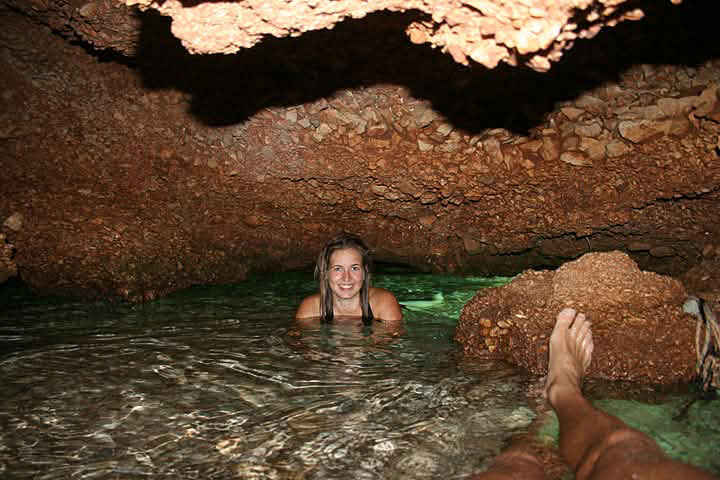
During the day the sun charges the battery, and the motor uses that stored energy to take us calmly from one part of the bay to another – to the beach, the camp, Antun’s terrace or the cave.

There is no smell of petrol, no engine noise and almost no wake, so we can get close to the rocky shore without disturbing swimmers or sea life.

For a protected bay like Medvidina, this slow, light style of boating is more than enough.

Why We Choose Electric and Solar

Using an electric motor and solar charging has several clear benefits:

No direct emissions into air or water – cleaner sea and cleaner air in the bay.

Much less noise, which is better for fish, seabirds and for guests who come here to enjoy silence.

Lower risk of fuel spills or oily film on the surface, which is especially important in small, closed bays.

For us, sustainable boating is not a trend but common sense: if we love this place, we should move around it in a way that does not damage what makes it special.

How Guests Experience It

For guests, the first ride in the solar‑electric boat is often a small surprise.

You sit down, we push away from the shore, the motor starts with a soft buzz, and suddenly you realise you can talk in a normal voice and still hear the sound of waves against the rocks.

The boat is perfect for:

Short transfers between beaches and the camping terraces in Medvidina Bay.

Calm evening rides when the light is soft and you want to enjoy the colours of the sea without noise.

It is not made for speed or long distances – that is what sailing is for – but for slow, mindful movement inside our small paradise.

Our Small Contribution to a Cleaner Adriatic

All along the Adriatic coast, more and more boats, tour operators and even marinas are turning to solar panels and electric propulsion to reduce their impact on the sea.

With our little solar‑powered boat in Medvidina Bay, we are part of this quiet change: proving that even a tiny vessel can run on sun and respect the coast it explores.


When you stay with us, every short ride you take in this boat is one small trip without petrol, exhaust or noise – a gentle way to enjoy the bay and help keep it as clear and peaceful as it looks on the photos.

More About
Sustainable Boating

Wild Camping Retreat: Return To Your Inner Nature

In a world of constant noise, notifications, and responsibilities, many of us feel a quiet longing: to step out of the rush, breathe deeply, and remember who we really are. A wild camping retreat offers exactly that—a simple, natural space where you can slow down, reconnect with yourself, and experience the deeper, more spiritual dimension of life that is often hidden in everyday routine.

Why the Wilderness?

Wilderness has always been a place of reflection and insight for human beings. Away from concrete, traffic lights, and screens, the natural world speaks a different language: the rhythm of waves, the silence of the night sky, the first light of dawn on the horizon.

In this retreat setting, nature becomes:

A mirror that reflects your inner state with clarity and honesty

A teacher of simplicity, presence, and trust in the moment

A sacred space where you can feel connected to something larger than yourself, whether you name it life, the universe, or the divine

Guests often describe wilderness time as a “spiritual antidote” to everyday life, giving them the space and quiet needed to listen to their own heart again.

Core Spiritual Concepts We Explore

This wild camping retreat is not about dogma or fixed beliefs. It is an invitation into a direct personal experience of four simple but powerful spiritual concepts:

Presence

Presence means fully arriving in the here and now—feeling your breath, your body, the ground beneath your feet, the soundscape around you. Through gentle practices like mindful walking, silent mornings, and guided breathing, you learn to step out of mental overthinking and into a quieter, more spacious awareness.

Connection

Many participants come with a sense of feeling disconnected—from themselves, from others, or from nature. Around the campfire, under the stars, or in shared silence, we rediscover connection: to the land, to the group, and to the subtle sense that we are part of a living, intelligent web of life. This can feel deeply spiritual, regardless of your background or beliefs.

Surrender and Trust

Wild camping is simple but not always comfortable—wind, changing weather, darkness, unfamiliar sounds. Instead of fighting these elements, we explore how to relax into them, using them as a living metaphor for life’s uncertainties. When you release the need to control everything, you discover a deeper trust in yourself and in the unfolding of each moment.

Inner Guidance and Insight

With fewer distractions, your inner voice becomes clearer. Through periods of quiet reflection, journaling, and optional solo time in nature, you have the chance to listen to that voice—gaining clarity on important questions, transitions, or next steps in your life.

What You Will Experience

During the retreat, we combine simple wild camping with intentional spiritual practices inspired by wilderness retreats and contemplative traditions.

Sunrise and sunset practices

Gently guided moments to greet the day and close the evening, connecting breath, body, and awareness with the natural cycles around you.

Silent time in nature

Short periods of solo time (always held in a safe framework) allow you to wander, sit, listen, and receive your own experience without distraction.

Mindful hiking and wild landscapes

Walking becomes a moving meditation as we explore the terrain with curiosity and gratitude, instead of speed and achievement.

Campfire circles

In the evenings, we gather by the fire to share stories, insights, questions, or silence. This communal space helps transform individual experiences into a sense of shared journey and support.

Simple rituals of letting go and inviting in

Optional symbolic practices (like writing and burning an old belief or offering a stone into the sea) allow you to mark transitions in a grounded, embodied way that many describe as deeply spiritual.

Who This Retreat Is For

This retreat is designed for people who:

Feel drawn to nature as a place of healing, insight, and renewal

Are curious about spirituality beyond rigid structures and labels

Need a break from digital overload and constant busyness

Are navigating a life transition and seeking clarity and inner stability

You do not need any camping or meditation experience—only an open mind and a willingness to step out of your comfort zone in a safe and supportive environment. All spiritual or religious backgrounds (including “none”) are welcome.

What You May Take Home

Participants often leave wilderness retreats with:

A calmer nervous system and a renewed sense of inner peace

A deeper connection to their own intuition and values

A practical experience of how to create “micro-retreats” in daily life—moments of stillness, presence, and gratitude, even in the middle of the city or at work

A sense of belonging: to the land, to a community, and to the ongoing journey of personal and spiritual growth

Most importantly, you return home with a lived memory: that when you step into wild nature with intention, you can find a clearer connection—not only to the world around you, but to the sacred space within.


More About
Return To Your Inner Nature